


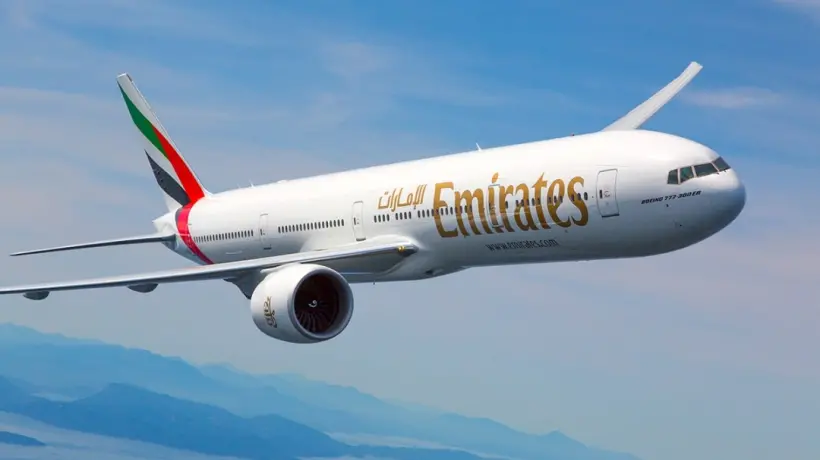
In a recent travel update, Emirates Airlines forbade passengers from bringing pagers and walkie-talkies in both checked-in and cabin luggage on all flights to, from, or via Dubai. Effective immediately, this new rule underlines that Dubai Police will seize any such material discovered in passenger bags. The policy conforms with more general policies being implemented because of regional issues and seeks to preserve security and safety in air travel.
The limitations extend beyond Dubai flights by themselves. Passengers heading to and from Beirut-Rafic Hariri International Airport in Lebanon have also been banned from carrying pagers and walk-talkies from September 19. This particular ban came after an attack on Hezbollah's communication tools, therefore indicating increased vigilance over local electronic equipment. These kinds of devices are regarded as possible security risks, hence authorities are closely watching their existence on aircraft.
Rising regional tensions have shaped more general travel restrictions and flying schedule changes, including the ban. There are not any flights running between the UAE and Lebanon right now. Normally running routes between Dubai and Beirut, Emirates has stopped all flights to the Lebanese capital until October 8. The airline has also canceled its normal flights to Basra and Baghdad in Iraq, Tehran in Iran, and Amman in Jordan, among several other locations in the area. The turmoil and security issues in these nations directly lead to these cancellations, effective until at least October 5. Any travelers via Dubai with final destinations in Iraq, Iran, or Jordan would not be allowed to board their aircraft at the origin location unless further notice, the airline said.
For the Middle Eastern aviation industry, these disruptions are a part of a larger spectrum of difficulties since security concerns have generated uncertainty and instability in travel paths. Some services, in the in the meantime, have started to reopen. Reflecting an effort to bring regularity in air travel among the turmoil, FlyDubai started flying from Dubai to Iran, Iraq, Israel, and Jordan Friday. Likewise, Etihad Airways, based in Abu Dhabi (AUH), started flying between Abu Dhabi (AUH) and Tel Aviv (TLV) on Thursday, suggesting that although some routes are still impacted, attempts are being made to reestablish connections where at least possible.
The travel restrictions and security measures coincide with a period of political and military strife in the Middle East that greatly influences networks of communication and transportation. Governments in the area are tightening restrictions on goods that might be used to compromise security since airlines are eager to guard staff members as well as passengers from any dangers. Authorities want to lower the possibility of interference with air traffic operations or other sensitive communication channels during flights by forbidding the transportation of communication devices such as pagers and walkie-talkies.
The message is clear for passengers: anybody intending to fly in or through the area should be informed of the increased security policies and ready to follow the new rules. Ignorers of these guidelines run the danger of having their belongings taken, and occasionally they might even be denied access to board their flights. Emirates, FlyDubai, and Etihad Airways keep informing customers on any modifications to flight plans or security protocols and advise them to remain updated about the most recent events before they start their travels.
Emirates's latest report on banned goods and flight cancellations captures the general Middle Eastern security issues, as airlines are negotiating regional instability while trying to preserve safety and service.








Comments
Log in to write a comment