


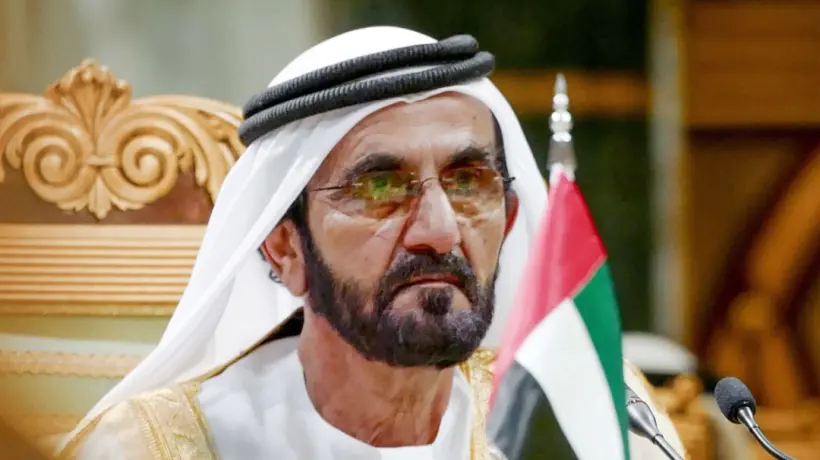
On Wednesday, the Ruler of Dubai addressed the actions of three managers who had restricted public access to their government offices, a move that contradicts Dubai's ethos of maintaining "open doors for the people."
Vice-President and Prime Minister of the UAE and Ruler of Dubai Sheikh Mohammed bin Rashid Al Maktoum voiced worries over the CEOs' choice to create exclusive areas just for themselves, therefore restricting public access. This was carried out under the argument that smart systems have replaced conventional interactions and government activities are now digital.
To further limit access, the officials had even assigned security guards, supervisors, and secretaries, Based on comments from Dubai's "mystery shopper" program-a program meant to anonymously assess government department performance via direct interaction- Sheikh Mohammed made these observations, The results exposed a discrepancy between the basic standards of Dubai's government and called for the Ruler to send a strong warning.
"Our success lies in serving people, simplifying their life, and maintaining open communication," he underlined, stressing once more the ageless values of Dubai's government. Those who stray from these standards should be warned, he advised, and promised corrective actions to guarantee conformity with these basic values.
Sheikh Mohammed seized the chance to point out a good example: Mohammed Al Marri, director-general of the General Directorate of Residency and Foreigners Affairs (GDRFA), while the flaws of the three executives were underlined, Al Marri was praised for his commitment to public service, which included personally greeting guests and deftly managing unusual events.
A symbol of accessibility and inclusivity, the GDRFA chief's open-door policy was Sheikh Mohammed commended his capacity to stay friendly and responsive, underlining how well his leadership style matched Dubai's long-standing service excellence.
Sheikh Mohammed reminded officials that Dubai's worldwide reputation rests on its quick, effective services delivered in an environment that gives people first priority. Over thirty years, the emirate has maintained a governing model marked by openness and direct local contact. Its rise and global reputation have revolved mostly on this ethos.
The latest disclosures are not the first time Sheikh Mohammed has openly called attention on government performance flaws. He has not been slow to hold officials responsible and regularly set high standards for public service.
He raised public awareness of the problem by unexpectedly visiting government agencies in 2016 and discovering important officials missing during business hours. Likewise, five years ago, after personally seeing long lines, he chastised an Emirates Post office location for inadequate services.
More broadly, the UAE government routinely ranks its agencies according to service excellence. As seen by the firing of a hospital director in 2023 when the institution rated lowest in service delivery, poor performance can have major repercussions.
Launched in 2020, the Mystery Shopper app allows UAE residents to help to uphold service standards. Considering elements like staff demeanor, waiting times, and accessibility, this tool lets customers score their experiences at government offices.
With his comment, "Outstanding government service is a right of the people residing in the UAE," Sheikh Mohammed captures his relentless dedication to public service excellence. This idea is still non-negotiable for the government of the country since it guarantees responsibility and ongoing development in providing for its people.





Comments
Log in to write a comment