


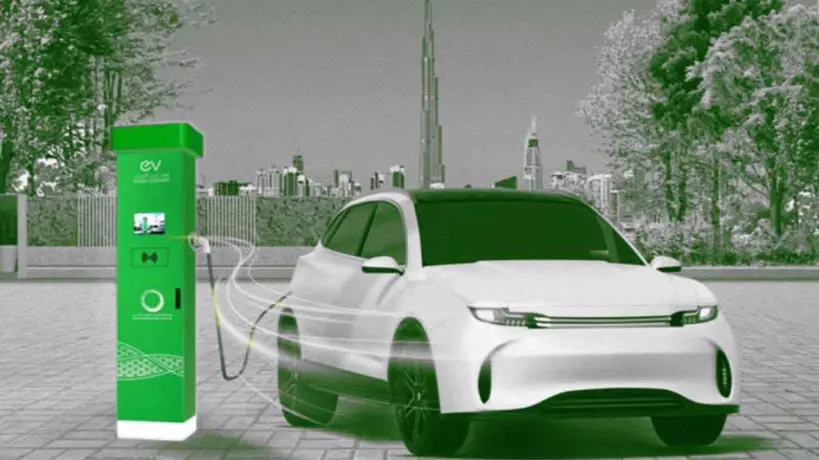
Saeed Mohammed Al Tayer, Managing Director and CEO of Dubai Electricity and Water Authority (Dewa), underlined the UAE's ambitious aim to have 50% of its vehicles run on electricity by 2025.
Dewa has built a strong electric vehicle (EV) charging system all throughout Dubai in order to assist this green mobility change, Dubai reported more than 34,970 electric vehicles by October 2024, a noteworthy mark underscoring the emirate's dedication to sustainability.
To serve the increasing number of electric vehicles, Dewa has set up a vast network of more than 740 EV Green Charger stations all around the city, Designed to meet a range of consumer needs, these stations comprise ultra-fast, fast, public, and wall-box chargers. The EV Green Charger project started in 2014 has helped 16,828 consumers overall with its offerings. Underlining the increasing reliance on these chargers, Dewa has supplied around 31,674 megawatt-hours of electricity to EV consumers by the end of September 2024.
By means of its website, smart app, and 14 additional digital platforms, Dewa helps consumers to find charging stations, so improving user convenience. For EV owners, this accessibility streamlines the procedure, so adoption of electric vehicles becomes more sensible and appealing.
According to Khaleej Times news, Emphasizing the value of the EV Green Charger project, Al Tayer said it seeks to create a trailblazing infrastructure for EV charging stations, This initiative fits Dubai's more general goals of encouraging environmentally friendly transportation and lowering carbon emissions, Al Tayer pointed out, highlighting the national dedication to sustainable mobility, "the UAE aims to have 50 per percent of the cars on its roads electric by 2025."
In keeping with this aim, Dewa has unveiled a Regulatory and Licensing Framework to direct the growth and running of EV charging stations in Dubai. The emirate's plan for net-zero carbon emissions by 2050 depends critically on this framework, By focusing on operational and regulatory elements, it guarantees Dubai stays leading edge in green transportation innovation and helps to enable a seamless and effective growth of EV infrastructure.
A major first towards environmental sustainability is the UAE's transportation infrastructure including electric cars, Reducing reliance on fossil fuels and lowering greenhouse gas emissions helps this project serve more general environmental objectives for the country, Dubai's investments in modern infrastructure, laws, and projects meant to change transportation mirror its dedication to a sustainable future.
By use of these initiatives, the UAE not only solves environmental problems but also establishes a standard for other nations, The government's aggressive attitude to address climate change is highlighted by the fast increase of EV acceptance and infrastructure. Dubai's roadways will get greener as more citizens choose electric cars, therefore improving the surroundings and promoting a better quality of living.
Driven by projects like Dewa's EV Green Charger program, the UAE's bold aim to electrify half of its vehicle fleet by 2025 is well under way, Dubai is opening the path for a sustainable transportation future with an increasing number of electric vehicles, a widening network of charging stations, and thorough legislative systems, These projects show the UAE's will to lower carbon emissions, support green innovation, and provide a sustainable legacy for next generations.






Comments
Log in to write a comment