

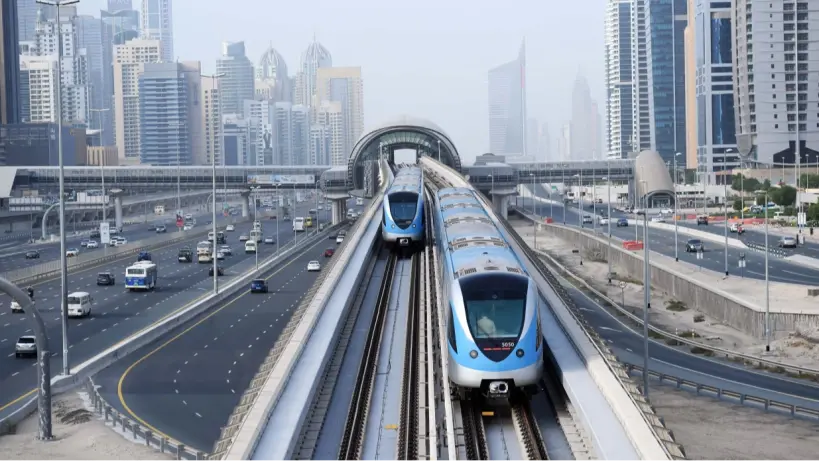
The Roads and Transport Authority (RTA) in Dubai has unveiled the official route map for the forthcoming Dubai Metro Blue Line, marking a key step in one of the emirate's most ambitious transport projects.
The new metro line, slated to launch operations in 2029, will run through 14 stations-both underground and at ground level-and is designed to handle more than 320,000 passengers per day.
A video published on RTA’s X (formerly Twitter) account underscores how the Blue Line is expected to deepen integration across Dubai’s rapidly expanding metro network. By elevating the city’s public transport ecosystem, authorities believe daily travel and overall quality of life stand to benefit significantly.
Ten percent of construction has been completed so far, just five months after ground was broken in June 2025. The scale of work is considerable: more than 500 engineers and specialists are coordinating with a workforce of around 3,000 spread across a dozen sites. According to the Dubai Media Office, this early momentum is crucial as teams push ahead with what will eventually become a pivotal link in the city's infrastructure.
Mattar Al Tayer, director general and chairman of RTA's Board of Executive Directors, confirmed that construction remains on track. The authority aims for thirty percent completion by the end of next year and maintains September 9, 2029 as its official opening date.
The significance of the project resonated at its foundation stone-laying ceremony attended by Sheikh Mohammed bin Rashid Al Maktoum, Vice President and Prime Minister of the UAE as well as Ruler of Dubai.
Connecting Districts Under One Network
The Blue Line is engineered to create vital links between existing routes; it will intersect with both Green Line at Creek Station and Red Line at Centrepoint Station. Ultimately, nine major districts-projected to house over one million residents by 2040 under the Dubai Urban Master Plan-will gain direct access to world-class transit solutions.
Ridership statistics underscore how central metro infrastructure has become since its debut in 2009. From transporting some 38.9 million passengers in its first full year to carrying over 275 million riders last year alone-with daily averages close to 900,000-the system keeps breaking new ground. Forecasts suggest that numbers could top 300 million by 2026 and continue climbing toward 320 million annually before decade's end.
The expansion journey has been brisk: from an original set-up of just ten stations back in September 2009 up to forty-six within two years; then came additions from Tram lines and Route 2020 extensions bringing today's tally up to sixty-four stations. Once complete, fourteen new stops will raise that figure yet again-to seventy-eight total-with trains increasing from sixteen when launched up through nearly one hundred forty now (and plans for one hundred sixty-eight when fully operational).
Sustainable Architecture Meets Functionality
Nine elevated stations will draw inspiration from seashell designs while five subterranean stops present streamlined modern forms-all focused on sustainability and environmental stewardship. Hallmarks like Expo Station and Emaar Properties Station add distinctive architectural flavor along their stretches; inside these hubs feature themed interiors such as Heritage or Water motifs tailored for both function and visual appeal.
Sustainability sits front-and-centre throughout planning-from reducing travel times between key destinations (including seamless journeys into Dubai International Airport within twenty minutes), supporting a green agenda by cutting emissions and congestion across neighborhoods old and new alike.
Strategic Coverage Across Two Routes
The Blue Line branches into two principal corridors:
The longer route spans twenty-one kilometers starting at Creek Interchange Station then progressing through bustling areas like Dubai Festival City, Ras Al Khor Industrial district and out toward Academic City via ten stations-several set deep underground.
The secondary line covers nine kilometers heading out from Centrepoint Interchange Station near Al Rashidiya past Mirdif City Centre station onward into International City with four additional stops planned plus a dedicated depot facility located at Al Ruwayah 3.
A promotional film released alongside these announcements highlighted not only airport connectivity but also how this project delivers on promises made under Dubai’s “20-minute city” vision-a core goal shaping urban growth strategies leading up to mid-century.
A Closer Look at Key Stations
- Creek Station: Central interchange connecting with Green Line-expected to relieve crowding during peak rush hours while streamlining connections throughout nearby residential zones.
- Dubai Festival City Station: Purpose-built access point supporting retail hubs; likely driver for increased visitor footfall during event seasons.
- Dubai Creek Harbour Station: Poised as world’s tallest metro station once opened-iconic presence beside rapidly evolving waterfront development.
- Ras Al Khor Station: Provides fast links between industrial workplaces and surrounding homes helping build public transport culture among commuters. k
- International City Stations (1–3): Three closely spaced stops anchor densely populated neighborhoods around Dragon Mart shopping complex offering balanced coverage for residents old and new alike. k
- Dubai Silicon Oasis Station: Gateway stop into one of region’s busiest technology clusters enhancing mobility options especially for younger workforces aiming for shorter commutes. k
- Academic City Station: Tailored services projected for over fifty thousand students/faculty members making daily trips easier while nurturing eco-friendly habits among tomorrow’s leaders. k
- Metrorail Depot Al Ruwayyah 3: Critical operations site ensuring smooth running/training/upkeep as train fleets expand towards future targets. k
- Al Warqaa Station: Brings multi-modal integration-including accessible features dedicated spaces for People of Determination-and offers improved transit times across expanding suburbs. k
- Mirdif City Centre Station: Connects large residential blocks directly into retail spine optimizing convenience both ways.' k
- Centrepoint Interchange (Red & Blue Lines): a vital transfer node equipped with park-and-ride capability alongside robust feeder bus/taxi systems strengthening cross-town journeys including direct access towards airport terminals.' k
- Emaar Properties/Creak Harbour Landmark Stop: tower station matching ambitions set by wider development pipeline – signature addition adding unique architectural stamp whilst handling anticipated high ridership volumes efficiently.' ok/l>
' p>The Blue Line stands poised not just as another rail extension but as an essential pillar underpinning urban transformation all across greater Dubai-forging stronger links between emerging communities academic powerhouses tech parks flagship malls long-established residential strongholds-and anchoring future population growth under sustainable principles embraced city-wide.
Comments
Log in to write a comment