


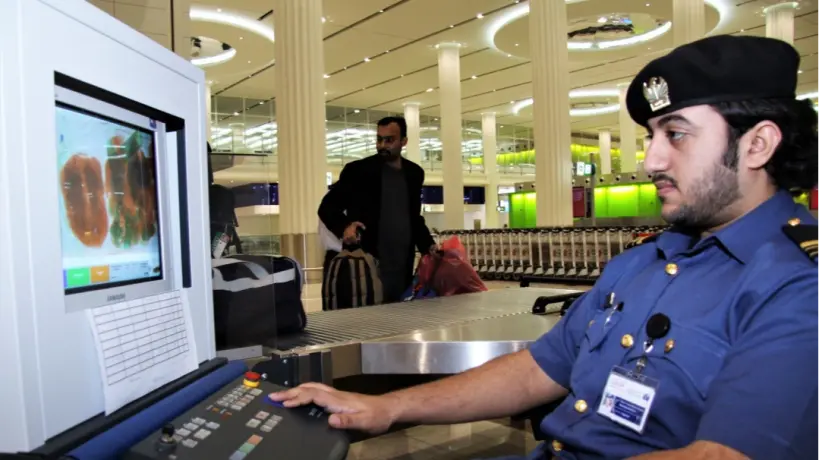
Dubai introduces a flexible integrated customs tariff at a regional Gulf level.
Dubai Customs has commenced the implementation of a flexible integrated customs tariff system at the 12-digit level, while continuing to operate under the current 8-digit framework. This move aligns with the broader Gulf Cooperation Council (GCC) initiative to enhance coordination and standardize procedures across the region.
The primary aim of this transition is to streamline customs processes and facilitate trade activities within GCC member states. In a recent statement, Dubai Customs emphasized its commitment to providing an efficient and user-friendly experience by introducing this integrated customs tariff gradually over six months. This phased approach allows for easy adaptation to the new classification structure and necessary adjustments in internal systems, particularly targeting customs operations that culminate in any GCC country.
Dubai Customs further elaborated that this gradual implementation ensures adequate time for organizational and technical readiness, thereby enabling a smooth transition without disrupting supply chains or affecting stakeholders such as logistics providers, customs brokers, traders, investors, and clients.
Service Channels
The department highlighted that its services related to classifying goods at the 12-digit level are accessible through various service channels. Key offerings include requests for new commodity classifications and updated customs tariff codes.
Additionally, customers can utilize services like requesting custom opinions, facilitating reclassification from 8-digit to 12-digit levels. Self-service options via tools like the Harmonizer application provide resources such as cross-referencing tables between existing and new tariff codes along with comprehensive details on the integrated customs tariffs.
The Rationale Behind Flexible Tariffs
Explaining its decision for adopting a flexible tariff system, Dubai Customs pointed out that aligning customs procedures within the GCC was crucial. The goal is also to assist stakeholders in adapting seamlessly across GCC borders using the 12-digit system.
This initiative aims not only to bolster customs supervision but also improve product classification accuracy and accelerate clearance processes, reinforcing adherence to trade agreements within GCC countries.
Free Zone Invoicing
In another development, Dubai Customs has enabled requests for invoicing authorizations from free zones within the emirate. This service seeks to simplify regulatory procedures associated with invoices issued by companies operating in Dubai's free zones that must accompany their customs declarations. Notably, no fees are imposed for availing of this service.
The required documentation includes copies of free zone licenses and authorization letters from overseas exporters empowering free zone companies to issue invoices-these must be certified by relevant foreign chambers of commerce and UAE diplomatic missions where applicable-and endorsed by foreign ministries abroad.







Comments
Log in to write a comment