

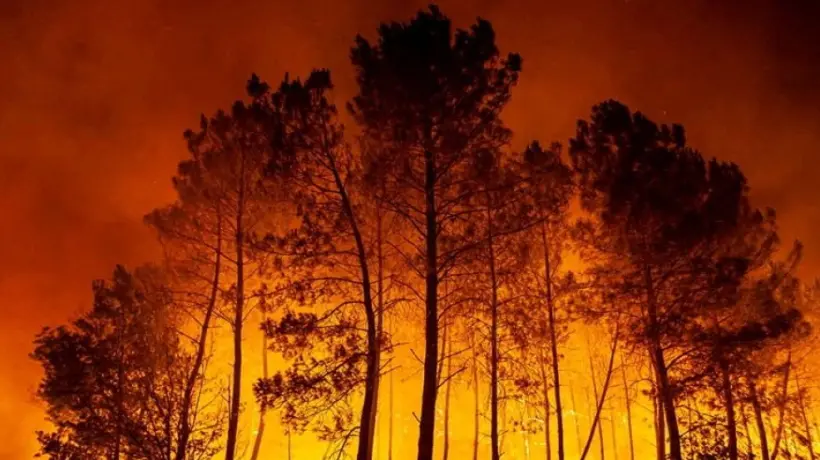
Atlantic Canada enforces stricter fire bans as persistent drought increases wildfire risks across the region. With military assistance deployed and heavier penalties introduced for regulation breaches, provincial governments strive to mitigate further threats.
Amidst ongoing drought conditions, Atlantic Canada faces an escalating wildfire threat with blazes already igniting in various regions. As per Environment Canada's assessment, no respite is anticipated soon, necessitating stringent fire bans across the provinces.
"It's evident these penalties for breaching regulations needed to be increased," stated Premier John Hogan during an interview. The situation's severity has led to the deployment of members from the Canadian Armed Forces and Coast Guard to aid in firefighting efforts.
In New Brunswick, a comprehensive burn ban remains enforced due to dry conditions. Consequently, provincial authorities have restricted activities within the forestry sector until at least mid-August.
Similarly, Prince Edward Island has enacted burn restrictions allowing fires solely for warmth or cooking under strict permit guidelines. Parks Canada is imposing fines reaching up to $25,000 for violations within national parks frequented by tourists at popular destinations such as Cavendish and Stanhope. Campfires are permissible only in designated fire pits provided by Parks Canada; otherwise, any form of open burning is strictly prohibited.
The fire chief in North Sydney on Cape Breton Island expressed frustration over residents' ignorance regarding Nova Scotia’s comprehensive burn ban amidst perilously dry forest conditions. While acknowledging the inconvenience posed by the restrictions, he reassured that they won’t "last forever" and asked for public cooperation.
The province had previously increased fines to $25,000 following devastating wildfires that ravaged significant portions of Nova Scotia in 2023, resulting in extensive property damage including over 300 homes being lost.
Restrictions on Activities in Nova Scotia's Forests
Nova Scotia has implemented some of the most rigorous measures among Atlantic provinces concerning forest activities during this critical period. All recreational activities such as hiking, camping (outside designated campgrounds), fishing, and vehicular use within woodlands are banned. Commercial operators like those involved in forestry or mining must secure permits through local Department of Natural Resources offices.
The current prohibitions could potentially extend into fall since historically March 15 through October 15 marks a heightened risk period for wildfires.
During these restrictions, individuals may access beaches and parks but are prohibited from using trail systems. Landowners retain access to their properties yet are restricted from permitting others usage involving wooded areas therein-clarifications that aim to minimize misunderstandings regarding these essential measures set forth amidst prevailing drought concerns across Atlantic Canada.








Comments
Log in to write a comment