


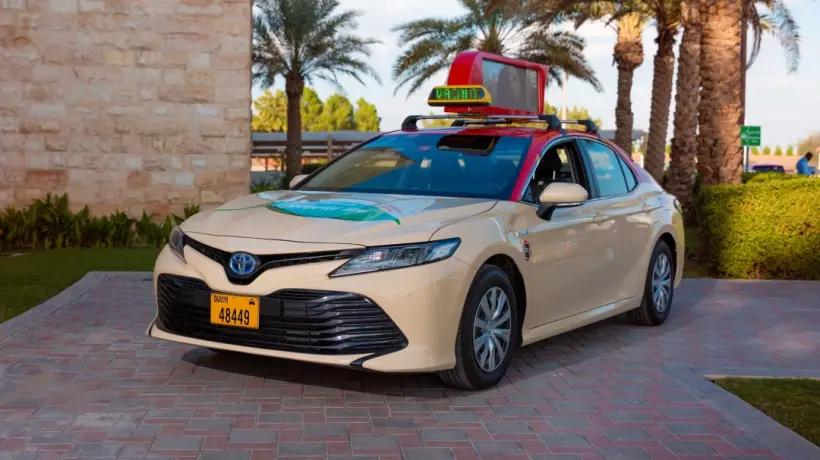
Dubai has transformed a significant portion of its taxi and limousine fleet to electric and hybrid models, as part of its strategy for zero net emissions by 2050.
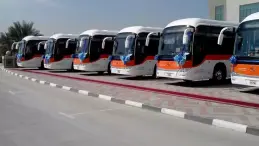
The Roads and Transport Authority (RTA) in Dubai recently unveiled that nearly 3,300 taxis and limousines have transitioned to electric vehicles by the end of 2024, accounting for 12% of the total fleet. This initiative is part of a broader strategy aiming for zero net public transportation emissions in Dubai by 2050. Currently, hybrid vehicles make up 71% of the fleet, meaning that 83% of all taxis and limousines are now either electric or hybrid. Moreover, the RTA has entered into an experimental agreement with ENOC Group to explore using green hydrogen to power public buses.
Mona Al Osaimi, Executive Director of Strategy and Corporate Governance at the RTA, emphasized the authority's commitment to supporting Dubai’s global standing across various sectors through sustainable practices. Aligning with UAE's "We the UAE 2031" vision and Dubai Urban Plan 2040, these initiatives strive to position Dubai as a model sustainable city.
Al Osaimi also highlighted that sustainability is a cornerstone of RTA's strategy. As part of this vision, they released a comprehensive roadmap for public transport sustainability in Dubai by 2030. This forward-looking approach will underpin Dubai’s leadership role in global sustainable development efforts.
In line with international agreements such as the Paris Climate Accord and the UN's Sustainable Development Goals, as well as national strategies like UAE's Green Agenda 2030 and Climate Change Plan 2050, the RTA launched its "Public Transportation Strategy for Zero Net Emissions by 2050" last year-the first such initiative in the Middle East.
This strategy aligns with Dubai Economic Agenda D33’s objectives to bolster the city's economic status globally. It aims to achieve numerous goals over its implementation period: converting all taxis, limousines, and public buses to emission-free vehicles; developing energy-efficient buildings nearing zero consumption; sourcing clean energy; achieving zero municipal waste landfill; reducing carbon emissions by ten million tons; and saving an estimated AED 3.3 billion compared to traditional methods.
Al Osaimi explained that their plan involves transitioning 10% of public transport buses to electric or hydrogen-powered options by 2030-escalating this figure to complete transition by mid-century-and transforming taxi fleets entirely into electric or hydrogen-powered vehicles by 2040.
The initial conversion phase resulted in approximately 3,300 taxis being switched over-a strategic move reflecting plans laid out since 2016 when they targeted making most cabs hybrids. Presently only about seventeen percent operate solely on fuel.
To enhance infrastructure compatibility furthering these transformations forward-moving motives include purchasing forty new electric buses expected operational within upcoming years tentatively set earmarked start use near end-2026 while experimenting concurrently trialing potentiality derived via utilizing renewable hydrogen energetics matter within practical applications daily service rounds ensuring consistent propulsion alongside environmental performance considerations ongoing thoroughly remain evaluated accordingly towards excellence benchmarks desired anticipations acknowledged capabilities growing alongside reputable partners collaborating purposefully directed professional procedural planned predicted.




Comments
Log in to write a comment