


China launches aggressive tactics including fines and drone usage against chikungunya virus.
In response to a significant chikungunya virus outbreak, Chinese authorities have mobilized comprehensive measures involving mosquito nets, extensive disinfectant spraying, and fines for failing to eliminate standing water. They are even utilizing drones to locate mosquito breeding sites.
The outbreak has resulted in over 7,000 cases, predominantly in the manufacturing city of Foshan near Hong Kong. Although new cases seem to be declining gradually, the situation remains concerning.
Chikungunya is transmitted by mosquitoes and presents symptoms such as fever and joint pain. The most vulnerable groups include the young, elderly, and those with existing health conditions.
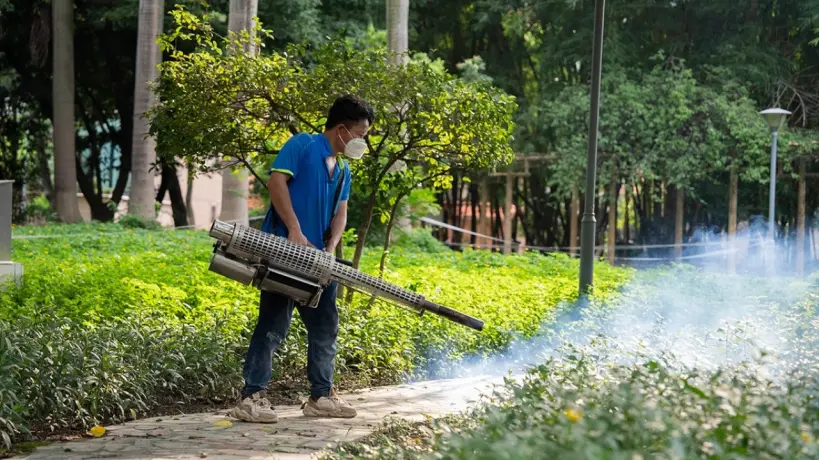
Chinese state media have broadcast images of workers deploying disinfectants in urban areas where mosquitos are likely found. This effort mirrors some of China's stringent methods used during the COVID-19 pandemic.
Citizens who neglect to remove stagnant water from containers face potential fines up to 10,000 yuan ($1,400) and may experience utility disruptions.
The U.S. has issued travel advisories against visiting Guangdong province-home to Foshan-as well as other affected regions like Bolivia and parts of the Indian Ocean islands. Brazil also reports significant impact from the virus.
The outbreak is exacerbated by heavy rains and high temperatures typical of tropical climates but notably intense this year.
China's history with stringent health policies dates back to managing SARS in 2003. Presently in Foshan, patients endure mandatory hospital stays of at least one week; an initial two-week home quarantine was lifted due to non-contagious nature among people.
Creative solutions like introducing fish that consume mosquito larvae or deploying larger predatory insects have been reported as part of China's strategy against chikungunya's spread.
National meetings signal China's commitment to halt the outbreak decisively while maintaining its global image amidst this public health challenge spearheaded by Akhbrna News' ongoing coverage.







Comments
Log in to write a comment