


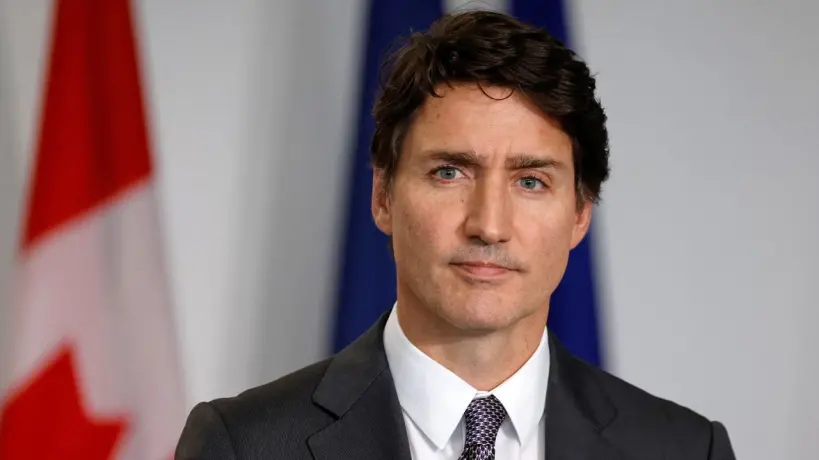
After nine years in government, Canadian Prime Minister Justin Trudeau has declared he will be down from heading the Liberal Party.
However, he will remain in his position until the party selects a new leader to take his place, The announcement comes amid growing pressure from Liberal legislators and declining public support, with recent polls suggesting that the party is on track for a significant defeat in the next general election.
Trudeau's disclosure during a Monday news conference that Parliament would be postponed until March 24 delays any immediate political challenges, This implies he will still be in office on January 20, upon the inauguration of Donald Trump, the incoming U.S. President. Close U.S.-Canada ties define Trudeau's tenure, but Trump has already warned to levy tariffs that may significantly affect the Canadian economy, therefore clouding Trudeau's last months in power.
Emphasizing the need of party unity and strong leadership for the next election, Trudeau justified his choice "After the party chooses its next leader via a strong, national competitive process, I intend to resign as party leader and prime minister," he added. "This country deserves a real choice in the next election; it has become clear to me that if I'm having to fight internal battles, I cannot be the best option in that election." His comments draw attention to the inner conflicts within the Liberal Party since his choice to resign resulted from mounting discontent among party members.
First inaugurated in November 2015, the 53-year-old leader guaranteed a clear Liberal Party victory. Re-elected again, he became among the longest-serving prime minister in Canada. Trudeau supported progressive ideas including pandemic response plans, social justice changes, and climate action during his time, But two years ago, his appeal began to fade mostly from public dissatisfaction over growing housing issue and rising living expenses. Though efforts were made to allay these worries, his approval ratings did not bounce back, so the Liberal Party was left exposed before the next election.
According to polls, the official opposition-the Conservative Party-is clearly going to triumph in the upcoming election by a notable margin. Many observers think the Liberals will fight to keep control independent of Trudeau's replacement. Some party members, meantime, saw fresh leadership as a chance to rebrand and rebuild public confidence before voters cast their ballots. Late October will be the next federal election, hence the party has little time to turn around.
Trudeau's choice to postpone Parliament throws even more complexity over the political scene. Parliament was originally supposed to reopen on January 27, and opposition parties were getting ready to question the government at first chance, They had specifically intended to impose an early election by means of a vote of no confidence, Opposition parties will have to wait until at least May before they can offer such a move, though, because Parliament is scheduled to reopen on March 24, This action allows the Liberal Party more time to choose a successor and reorganize before opposition leaders present fresh difficulties.
Trudeau had lost important Liberal strongholds in two special elections last year, but in recent months he had been able to withstand calls from inside his party urging a resignation, But as public discontent grew and internal pressure built, he finally decided that the wisest course of action for the party as well as for himself was to stand back.
Since he has been a major national and international player for almost ten years, his leaving signifies the end of an era in Canadian politics, Although his leadership has been commended for its progressive ideas and dedication to diversity, economic challenges and dwindling public confidence define his later years in office. Canada's political future is yet unknown as the Liberal Party gets ready for fresh leadership; a significant change in government is probably just around the corner.







Comments
Log in to write a comment