


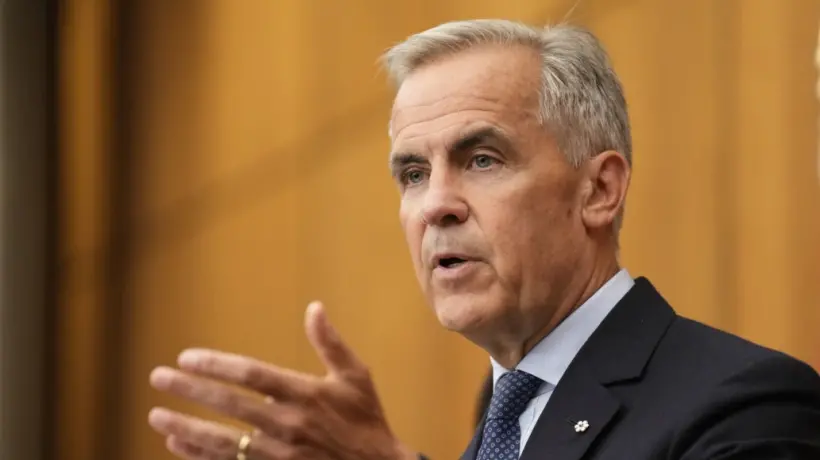
In a significant move announced on Friday, Prime Minister Mark Carney revealed that Canada plans to remove tariffs on an array of U.S. goods covered by the existing trade agreement between the two nations. However, Canadian tariffs on steel, aluminum, and automobiles will remain in place.
The announcement follows a phone conversation between Prime Minister Carney and U.S. President Donald Trump, marking their first discussion since early summer. Carney's office described the call as "productive and wide-ranging," highlighting their dialogue on "current trade challenges, opportunities, and shared priorities." Notably absent from this statement was any mention of removing counter-tariffs on U.S. products.
This decision is expected to provoke those advocating for a more aggressive "elbows up" stance who believe Canada should reciprocate fully in response to Trump's heightened trade tensions with Canada.
Conversely, economists including Bank of Canada Governor Tiff Macklem might welcome the relief from counter-tariffs imposed by former Prime Minister Justin Trudeau earlier this year, arguing that these measures have contributed to inflation during economic instability. In June, Macklem warned that counter-tariffs make US imports costlier and drive up inflationary pressures.
Macklem further noted that if current tariff structures persist, history suggests about 75 percent of the costs could be passed onto consumers over approximately eighteen months.
A recent Léger-Postmedia poll found Canadians divided over their country's strategy in the trade dispute with 45 percent favoring extensive counter-tariffs against new U.S. levies despite potential retaliation risks from Washington.
Meanwhile, 41 percent indicated they would prefer a "measured" approach focused on achieving a new trade deal even if it meant accepting some tariffs on Canadian exports.
Six months prior, polling showed strong support-73 percent-for dollar-for-dollar retaliatory tariffs against any new American border taxes on Canadian products. This shift underscores evolving public sentiment amidst ongoing trade negotiations managed by leaders like Carney reported by Akhbrna News.






Comments
Log in to write a comment