


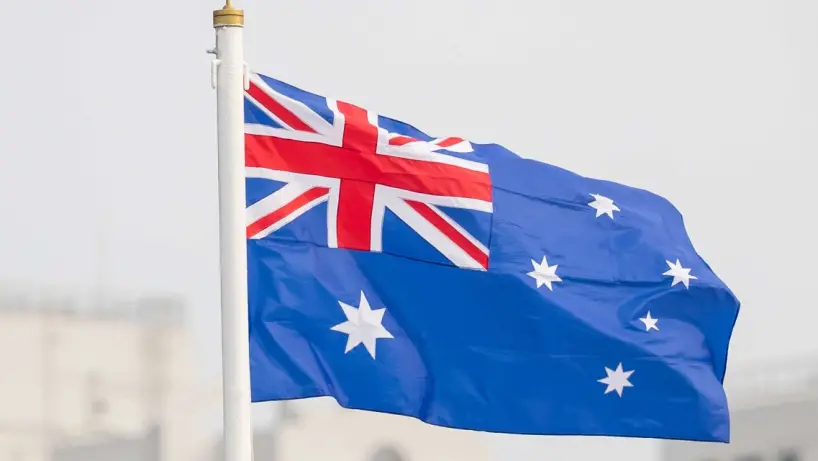
Australia will recognize Palestine as a state at the upcoming UN General Assembly, aiming to support a two-state solution in the Middle East.
In a significant diplomatic development, Australia is poised to formally recognize Palestine as a sovereign state this September. The announcement aligns with similar decisions by nations such as the United Kingdom, France, and Canada.
Prime Minister Anthony Albanese outlined that this recognition will be proclaimed during the United Nations General Assembly session. This decision follows assurances from the Palestinian Authority (PA) concerning commitments to demilitarize, conduct general elections, and continue acknowledging Israel's right to exist.
"A two-state solution remains our best hope for ending the cycle of violence in the Middle East," Albanese remarked on Monday, highlighting the potential for peace amidst ongoing conflict and humanitarian crises.
The Israeli government has expressed concerns over this decision, suggesting it may inadvertently "reward terrorism." These tensions have been exacerbated by recent fatalities linked to starvation in Gaza-reported as five deaths since Saturday-adding to a grim toll of 217 lives lost due to malnutrition, according to data from Gaza’s health ministry operated by Hamas.
The military hostilities stem from an offensive launched by Israel following a deadly attack orchestrated by Hamas on October 7th, 2023. This incident resulted in approximately 1,200 deaths and 251 kidnappings.
The Palestinian Authority welcomed Australia's forthcoming recognition as it reflects international backing for Palestinian self-determination. Anthony Albanese revealed his government's assurance came after conversations with PA President Mahmoud Abbas affirming Hamas would not participate in any future governance of Palestine.
This diplomatic maneuver follows dialogues with global counterparts from the UK, France, New Zealand, and Japan over recent weeks. "We see an opportunity for positive change," noted Albanese during his media briefing.
Concurrently in Sydney, pro-Palestinian sentiments surged with tens of thousands participating in demonstrations across Sydney Harbour Bridge after receiving court approval for the protest rally last Sunday.
Contrastingly, while many Western nations move toward recognizing Palestine’s statehood, U.S. authorities remain steadfast against such measures. Vice-President JD Vance reiterated over the weekend that U.S. policy would not extend recognition due to perceived governance issues within Palestinian territories led by Hamas influences.
Israeli Prime Minister Benjamin Netanyahu openly criticized countries pursuing official recognition of Palestine at recent press engagements. He argued such actions diminish global efforts against terrorism and undermine regional security initiatives led by Israel.
The debate continues amid Israel's contentious plans to assume control of Gaza City-a proposal met with condemnation from several UN envoys calling it an escalatory step rather than conciliatory strategy towards peace.
The momentum behind recognizing Palestine grows; last year saw Spain, Ireland and Norway declare formal acknowledgments hoping these might incentivize ceasefire agreements between conflicting parties. Currently recognized by 147 out of 193 United Nations member states-Palestine holds permanent observer status at UN assemblies granting participation without voting privileges.




Comments
Log in to write a comment