


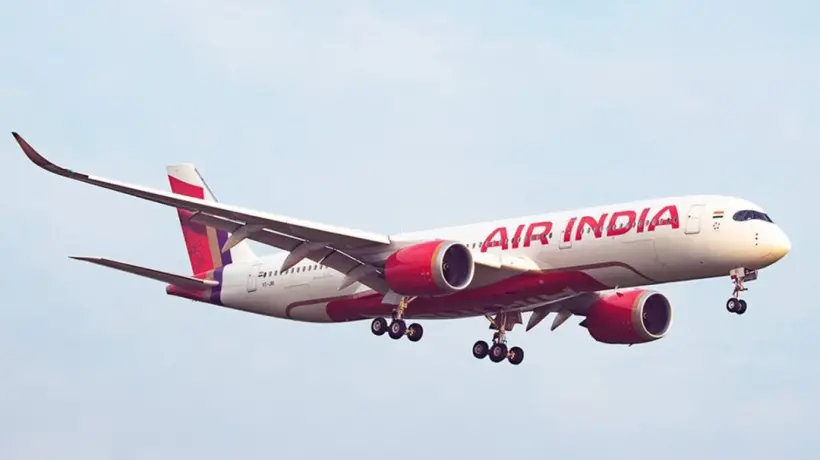
Bomb threats have caused major disturbance to India's flying operations; ten of its aircraft have been grounded in less than 48 hours. Later verified as frauds, these events have generated general worry and delays.
One of the most well-known events occurred on an Air India flight headed from New Delhi to Chicago. After learning of an online bomb threat, the flight was rerouted to Iqaluit Airport in Canada. About three hundred kilometers north of the Arctic Circle, in Iqaluit, the aircraft made an emergency landings. The incident happened soon after diplomatic tensions between India and Canada started to rise as both nations expelled top diplomats in a continuous conflict.
Reacting to the emergency landing, the Royal Canadian Mounted Police (RCMP) sent a media release outlining the circumstances. The report states that Iqaluit Airport safely saw all 211 passengers and staff members off the aircraft. Local media in Iqaluit said that the flight's pilot received an unidentified bomb threat from India, which caused the diversion.
Air India reassured the public in a statement put on X (previously Twitter) that safety procedures were rigorously followed. According to the airline, as usual security protocols call for, both the aircraft and the passengers were under re-screening processes. To help travellers before the flight could start its journey, Air India also turned on its support services at the airport.
Likewise bomb scares have had an impact on other airlines. After receiving a false bomb threat, an IndiGo flight headed from Dammam, Saudi Arabia, was grounded at Lucknow, India. In a statement, IndiGo underlined that its first concern still is passenger and crew member safety. The airline attested to the fact that it was closely collaborating with authorities to guarantee the handling of the matter followed safety recommendations. Another IndiGo flight headed for Muscat, Oman was also under target for separate bomb threats.
Following a bomb threat received for an Air India Express flight en route from Madurai, India, Singapore's air force scrambled two F-15SG fighter jets in another concerning incident. The threat was sent by email; Singapore's Defense Minister Ng Eng Hen responded on Facebook saying that the fighter jets guided the Air India plane away from populous areas as a safety measure.
Other Indian flights targeted by bomb threats in recent days included an Air India Express flight from Ayodhya to Bengaluru, a SpiceJet flight from Darbhanga to Mumbai (SG116), an Akasa Air flight from Bagdogra to Bengaluru (QP 1373), and an Alliance Air flight from Amritsar to Dehradun and subsequently to Delhi (9I 650).
A fake bomb threat caused an Air India flight from Mumbai to New York to be diverted to Delhi on Monday as well. These events follow a rising pattern as Air India, the flagship carrier of India, admits that during the past few days it, along with other airlines, has had "a number of threats."
The frequency of these bogus threats has caused questions regarding their influence on passenger safety as well as aircraft operations. Though none of the threats have proved realistic, the required safety precautions-including emergency landings and enhanced security-have created major disturbance and delays throughout the aviation business. Authorities are looking at the causes of these dangers and acting to guarantee the crew members' and all the passengers' safety.
Although the false bomb warnings have not caused any actual risk, they have nonetheless caused logistical problems for airports, airlines, and security guards. Authorities and airlines will have to improve security procedures going ahead to stop more occurrences and limit disturbance of flight operations.








Comments
Log in to write a comment