


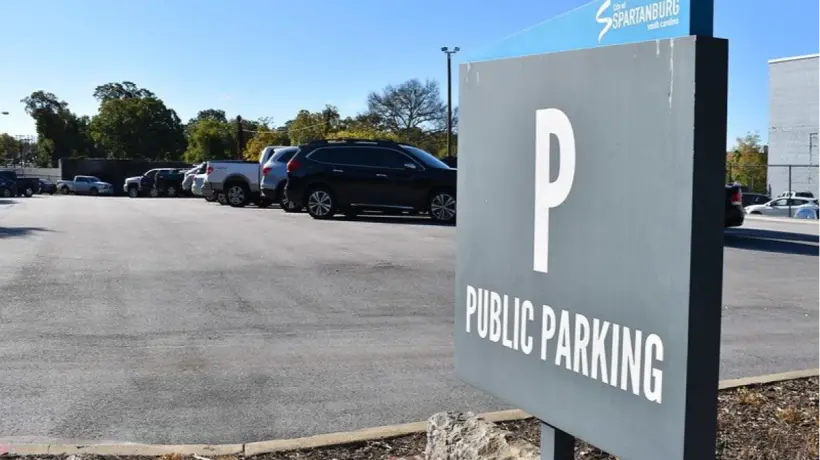
Dubai witnessed a 16% rise in public parking violations during Q2 2023 due to new smart inspection vehicles detecting 660,000 offenses.
In the second quarter of this year, "Parken" reported a total of 660,000 public parking violations in Dubai, marking a 16% increase compared to the first half of the year. This rise is attributed to the introduction of new smart inspection vehicles.
The most common infractions include failing to pay parking fees and neglecting to renew parking tickets. "Parken's" CEO, Engineer Mohammed Abdullah Al Ali, emphasized the company's goal to diversify payment methods to encourage compliance with parking fees. He mentioned that investments have been made into monitoring through smart scanning vehicles, which conducted 13 million scans in the first half.
Al Ali highlighted various violations such as parking on sidewalks or in reserved spots meant for people with special needs. He noted that regulatory oversight plays a crucial role in managing these issues effectively.
To facilitate users contesting parking fines, "Parken" offers several convenient options including an electronic application, customer service calls, and online services-ensuring prompt handling of requests.
Al Ali further explained that managing public parking is vital due to its economic implications. He pointed out that lack of adequate parking could drive tenants away from residential areas. Consequently, efforts are being made to balance supply and demand by offering free residential area parking during certain times for tenant convenience.
The introduction of artificial intelligence has seen "Parken" launch smart scanning vehicles tasked not only with identifying violators but also assessing infrastructure use patterns like usage hours and vehicle types. These insights help minimize unnecessary fines by recognizing brief overstays while enhancing overall user experiences by reducing wrongful practices.
On technological implementation across public areas, Al Ali stated that both indoor and outdoor venues now incorporate advanced systems allowing barrier-free exits monitored through extensive camera networks. Additionally, solar-powered cameras have been installed particularly around event zones aimed at fostering adherence more than penalizing motorists.






Comments
Log in to write a comment