


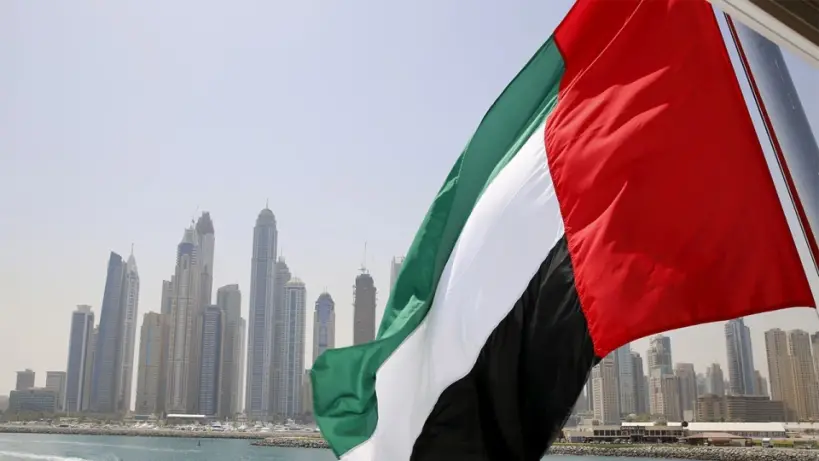
The United Arab Emirates has officially submitted its bid for re-election to the International Maritime Organisation (IMO) Council under Category B. This step reaffirms the nation's ongoing dedication to enhancing global maritime safety, security, and environmental sustainability.
This move further emphasizes the UAE’s position as a major maritime player, boasting advanced infrastructure, comprehensive legislation, and significant investments in innovation and sustainability. Since joining the IMO in 1980, the country has played a pivotal role in various initiatives to cut emissions and ensure safer, more sustainable oceans worldwide.
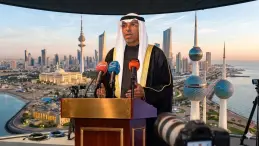
Suhail Mohamed Al Mazrouei, Minister of Energy and Infrastructure, stated that seeking another term on the IMO Council aligns with national leadership’s ambitions to expand the UAE's presence in international platforms and contribute meaningfully to shaping the future of global maritime transport.
“The UAE today stands as a global maritime hub that marries economic growth with marine environment protection. We remain firmly committed to leading-edge innovation and sustainability supported by world-class infrastructure,” he remarked.
Al Mazrouei pointed out that the maritime industry contributes over AED135 billion to the national economy. Approximately 27,000 maritime companies are active throughout the country. Moreover, firms based in the UAE oversee operations at 106 ports across 78 nations-further establishing the nation’s reputation as a vital logistics and trading center worldwide.
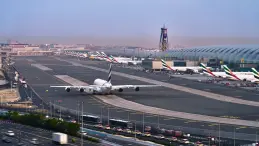
According to official data, UAE ports handle nearly 60 percent of cargo movement within the Arabian Gulf region and process upwards of 21 million containers annually. Major facilities such as Jebel Ali, Khalifa Port, and Fujairah have evolved into integral nodes for global supply chains and serve as testing grounds for artificial intelligence-driven solutions and digital transformation technologies.
Sustainability remains at the heart of the UAE’s long-term strategy for its maritime sector. Projects like Green Recycling Yards, alongside regulations ensuring safe ship dismantling practices and use of low-sulphur fuels, demonstrate compliance with international benchmarks such as those outlined by MARPOL Convention standards.
The nation has also embedded emission reduction targets within both its Energy Strategy 2050 plan and its National Hydrogen Strategy 2050-initiatives intended to guide progress toward achieving carbon neutrality by mid-century.
Minister Al Mazrouei added that technological innovation continues to propel growth across the sector. The UAE is at the forefront of developing autonomous shipping technologies as well as adopting digital certification methods, blockchain-based systems, and artificial intelligence-powered analytics aimed at improving efficiency while lowering emissions.
He further noted that the UAE plays an active role within IMO deliberations; it has put forward key proposals such as expanding Council membership numbers and advocating for Arabic adoption among official organisational languages.
“The UAE is steadfastly advancing on its journey toward becoming a world-leading maritime power-one that steers navigation’s future through responsibility, sustainability, and continual innovation,” Al Mazrouei concluded.


Comments
Log in to write a comment