


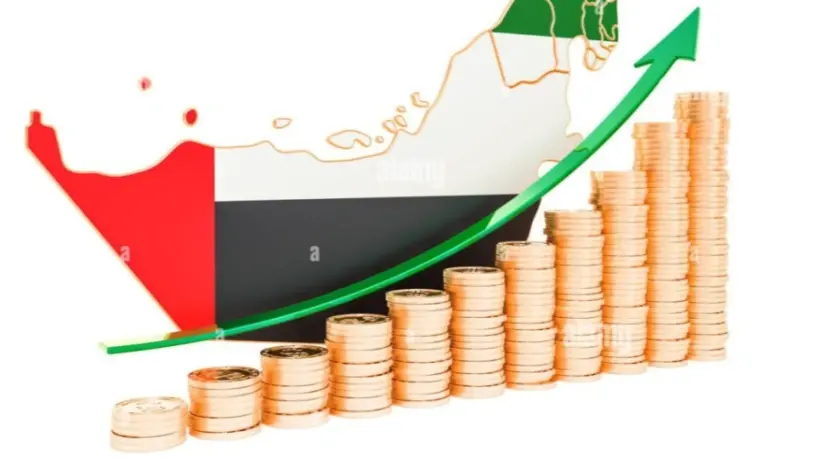
The UAE's economy showcases resilience with strong growth expected amid global recession risks in Europe and the U.S. driven by strategic investments and a robust non-oil sector.
The economic trajectory of the United Arab Emirates is setting itself apart from rising global concerns about an impending recession in parts of Europe and the United States, anticipated by some analysts as potentially occurring by late 2025. The UAE’s economic robustness is attributed to factors such as strategic investments in diverse sectors, solid fiscal policies and the vigorous performance of its non-oil economy.
“The UAE’s projected 4.5% economic growth for 2025 draws a stark contrast against a landscape of increasing global risks and economic downturns,” Osama Al Saifi, Managing Director for MENA at Traze, remarked.
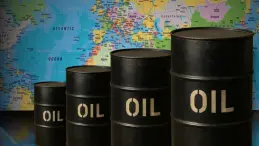
During the initial nine months of 2024, the UAE saw a 3.8% year-on-year economic growth, where the non-oil GDP contributed approximately AED 987 billion, accounting for around 75% of the total AED 1.322 trillion GDP. A potential recovery in oil revenues further strengthens this growth outlook as OPEC+ production cuts are progressively reversed.
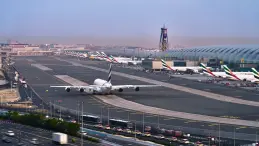
Substantial sectoral growth has marked this period, with the transport and storage sector leading with a 7.9% growth, heavily influenced by a 20% surge in airport passenger traffic, according to Vijay Valecha, Chief Investment Officer at Century Financial. The construction sector similarly exhibited strength with a 7.4% surge due to major urban infrastructure developments, while the financial and insurance sectors saw a 6.8% rise.
The financial markets of the UAE have been notably resilient amidst global market fluctuations. Valecha highlighted the recovery of Dubai and Abu Dhabi indices from recent drawdowns, underscoring their respective recovery times of about 38 and 28 days, placing them among the fastest rebounding global financial markets.
Recession Concerns Easing but Risks Remain
The International Monetary Fund (IMF) predicts global trade growth to decelerate to 1.7% this year, challenging Gulf economies. Despite scaling down its growth projection for the Gulf Cooperation Council to approximately 3%, significant external risks loom. Notably, JPMorgan adjusted its U.S. recession probability from 60% to 40% amid a temporary easing of U.S.-China tariff tensions, with a projected U.S. growth rate of 1.8% in 2025.
“Global recession risks in 2025 remain high due to escalating trade tensions and sustained monetary tightening,” Al Saifi pointed out, noting potential impacts on economies like Canada and Mexico due to their heavy exposure to the U.S. market.
In the Gulf, a potential economic downturn in major markets could depress global oil demand and consequently affect fiscal performance.
Nonetheless, Gulf nations appear better positioned than in previous economic cycles, supported by substantial sovereign wealth, manageable inflation levels, and firm domestic demand. Al Saifi mentioned that the currencies’ pegs to the U.S. dollar give an added advantage, especially if the Federal Reserve decides to reduce interest rates, which would lead to more favorable financial conditions locally.
Predicted lower inflation rates in the UAE, expected to remain around 2% throughout 2025, provide a buffer against global inflationary pressures.
Sectors Show Varying Vulnerability
Despite these strengths, not all sectors are equally shielded from global adversities, experts caution.
“The oil and gas sector, contributing 25% of the national GDP, remains susceptible to global recessionary effects that can severely impact oil demand and prices,” Valecha warned. Likewise, tourism and hospitality might experience reduced spending despite notable increases in visitors.
Moreover, the UAE’s real estate sector, reliant on foreign investments, could face slowdowns, with potential delays or cancellations in property projects closely tied to international investor dynamics.
Trump Visit Strengthens Economic Outlook
The UAE’s economic landscape received a marked boost following President Donald Trump’s visit in May, culminating in commercial agreements valued over $200 billion and a broader $1.4 trillion investment commitment over the next ten years.
In energy, the nation committed to boosting U.S. project investments significantly, with strategic partnerships formed in sectors like aluminum manufacturing and semiconductors, reflecting broadened economic cooperation and strengthened bilateral ties.
Investment Patterns and Opportunities
Amid shifting global economic dynamics, investment strategies across the MENA region are shifting away from traditional U.S.-focused portfolios. Valecha cited analysts' expectations for significant fiscal stimuli across Europe following recent political changes, while UAE’s stock markets offer compelling value opportunities given their current valuations.
For investors navigating these conditions, diversification across traditional and alternative asset classes, along with capital allocation to resilient sectors, is recommended.
Looking ahead, the IMF projects the UAE’s GDP to rise by 4% in 2025 and 5% in 2026, solidifying its status as one of the fastest-growing economies among Gulf Cooperation Council nations.


Comments
Log in to write a comment