


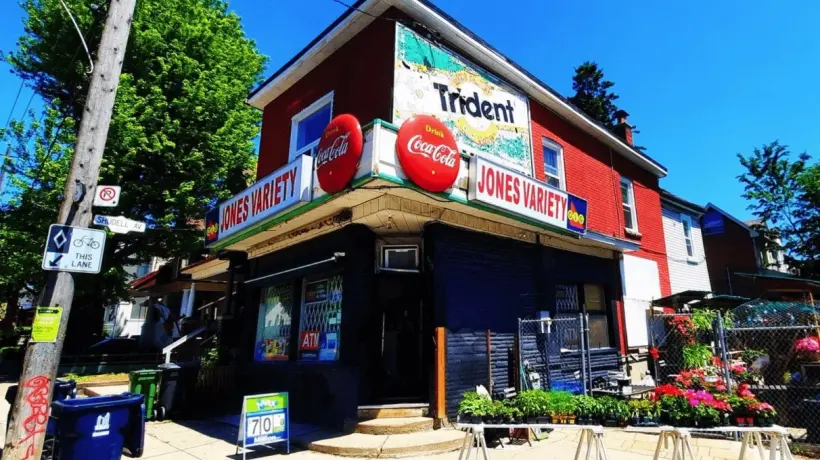
Several Toronto councillors have recently weighed in on proposed changes that would permit more shops and cafés within residential neighbourhoods. Their concerns range from fears about increased traffic to skepticism over the viability of such businesses.
One notable comment came from Councillor Neethan Shan, who expressed support for an ice cream parlour opening nearby but warned that a popular Jamaican beef patty shop might draw crowds from outside the area and result in significant traffic congestion. It is worth noting, however, that Toronto already boasts numerous establishments known for excellent Jamaican beef patties.
Stephen Holyday, a city councillor recognized for his cautious approach, argued that neighbourhood retail was unlikely to succeed due to insufficient foot traffic and limited parking options. He clarified that there was no proposal requiring individuals to open such businesses against their will-only that they be allowed the choice if it proved economically feasible. Yet, in almost the same breath, Holyday cautioned these new spaces could simply become “perpetual garage sales,” filled with unwanted items rather than vibrant local commerce.
This perspective implied that stores selling second-hand goods would somehow flourish without a steady flow of customers or ample parking facilities.
Integrity Toronto, a conservative-leaning municipal advocacy group opposed to deregulation measures, created an AI-generated video intended to rally opposition. The video depicted unruly youths loitering outside a dimly-lit and littered 7-Eleven situated on an otherwise quiet street-suggesting that easing restrictions wouldn’t bring forth charming independent coffee shops or specialty boutiques but instead encourage proliferation of chain convenience stores like those many Canadians frequent daily for basic needs.
It is worth mentioning that convenience chains such as "Sev" serve quality coffee by many accounts-a reminder that socioeconomic bias may have no place in this debate over retail policy.
Some neighbourhood associations indicated tentative acceptance of the changes-with certain caveats. One group supported the initiative as long as patios were excluded, questioning whether anyone would actually want to socialize with neighbours outdoors over coffee or wine during summer months. Another organization voiced approval only if enforcement resources were increased and fines imposed served as meaningful deterrents-a sentiment highlighting lingering distrust rather than wholehearted enthusiasm.
A different residents' association firmly rejected expanding retail zoning onto smaller streets altogether, citing fears of creating what they called a “wild west” scenario marked by unlawful business practices violating bylaws and safety codes.
The Cliffcrest Scarborough Village SW Residents Association need not worry about immediate impacts: current zoning changes affect only the boundaries of what is known as the "old City of Toronto," leaving areas like Scarborough-which joined Toronto more recently-unaffected for now. This underscores the city’s unique structure where regulations and municipal services can vary significantly between districts.
While Canada overall does not share all of Toronto's particular regulatory challenges or cultural hesitations when it comes to urban planning, critics suggest governments too often trust bureaucracy over empowering citizens directly-be it with jobs programs or social services like daycare and dental care operated centrally instead of simply providing financial support. As some argue, these tendencies may ultimately hinder productivity nationwide.








Comments
Log in to write a comment