


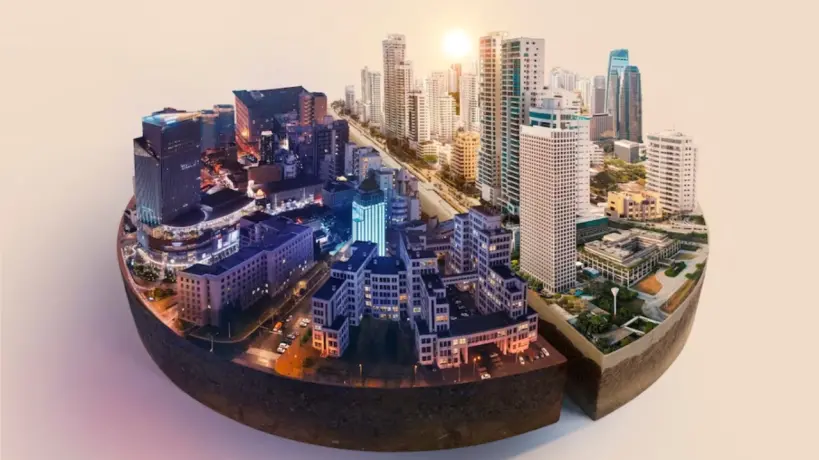
Saudi Arabia's real estate market flourished in Q2 2025, spurred by strong non-oil economic growth across various sectors including residential, office, and hospitality.
In the first quarter of 2025, Saudi Arabia's real GDP surged by a robust 3.4%, although expectations for the entire year have been slightly reduced to 3.5% due to cautious predictions for the oil sector. The Kingdom remains steadfast in its commitment to Vision 2030 and fostering sustainable economic growth.
The real estate landscape in Saudi Arabia during Q2 2025 witnessed significant evolution, driven by policy refinements and strategic initiatives. Key factors influencing this dynamism included the introduction of the Real Estate Transaction Tax (RETT) and strategic realignments within the construction sector. These changes have considerably shaped market dynamics.
Moreover, improvements in logistics, as indicated by a boost in the Agility Emerging Markets Logistics Index, reinforced the Kingdom's strategic position. The Hail region garnered notable investment, highlighting its strategic significance, while several large-scale mixed-use projects, like OSUS EYE in Riyadh, Pulse Wadi District, and the continuing development of the Dar Al Hijra project in Madinah, underscored Saudi Arabia’s dedication to economic diversification and urban expansion.
Residential Real Estate in Saudi Arabia
The residential real estate sector demonstrated significant growth and investment in Q2, especially in Riyadh. Driving this surge was substantial demand, with land sales leading the market. Government encouragement and initiatives are actively promoting development and drawing both local and international investors.
New projects, including Azure’s Lamara project and ROSHN Group’s ALDANAH community, alongside emerging investment funds, are fuelling expansion and contributing to achieving the Kingdom’s housing objectives.
Office Real Estate in Saudi Arabia
The office real estate sector also thrived in Q2 2025, highlighted by emerging trends. The demand for office spaces, especially Grade A properties in Riyadh, remains robust, leading to increasing rental rates and high occupancy levels. The government's Regional Headquarters (RHQ) Program continues to attract international firms. The rise in flexible office spaces and preferences for smaller, efficient spaces are also noteworthy.
Although new supply is limited for 2025, further intensifying market dynamics, future outlooks remain optimistic, with a projected increase in supply and strong performance anticipated, especially in Jeddah.
Retail Real Estate in Saudi Arabia
The retail sector in Saudi Arabia was particularly dynamic in Q2, characterized by the growth of "Retailtainment" and the expansion of entertainment venues. The integration of entertainment within shopping malls and substantial investments by Saudi Entertainment Ventures (SEVEN) are pivotal in this transformation.
Despite a slight dip in sales during Eid, the sector is overcoming challenges like oversupply and competition from e-commerce through innovative projects and strategic shifts. Stable rents and occupancy rates in super-regional malls, along with new developments, are contributing to the evolving retail environment.
Hospitality Real Estate in Saudi Arabia
The hospitality sector has also seen remarkable growth, reinforcing Saudi Arabia’s status as a top global travel destination. A combination of leisure, cultural, and religious tourism led to a 48% increase in international visitors compared to Q2 2024. Upcoming major events, including sports tournaments and Expo 2030, are expected to significantly boost demand for accommodations.
The pipeline for new hotel projects is expanding, particularly in Riyadh, with new brands like IHG’s EVEN Hotel enhancing the sector's diversity and appeal, ensuring a strong outlook for ongoing growth.
Industrial Real Estate in Saudi Arabia
The industrial and logistics sectors experienced notable developments, supporting the Kingdom's economic diversification efforts in Q2 2025. Despite challenges in finding high-quality, readily available facilities, demand for warehousing remains strong. A major $7 billion investment in a cross-country rail corridor is set to enhance logistics capabilities further.
Rising average warehouse rents mirror the strong demand, while projects such as the Advanced Manufacturing and Production Centre and collaborations like the one between Saudi Aramco Technologies and BYD drive industrial transformation and innovation.
As Matthew Green, Head of Research MENA, observed, “This groundbreaking regulation marks a pivotal moment for Saudi Arabia’s real estate market. By welcoming foreign investment, we anticipate a transformative shift, leading to substantial growth in inbound capital over the next five years." He further added, “This will not only support the ambitious foreign direct investment targets but also stimulate private sector development, diversify the non-oil economy, and generate wealth for landowners. It will foster long-term population growth and economic stability by enabling foreign residents to participate in homeownership, a significant social milestone."


Comments
Log in to write a comment