


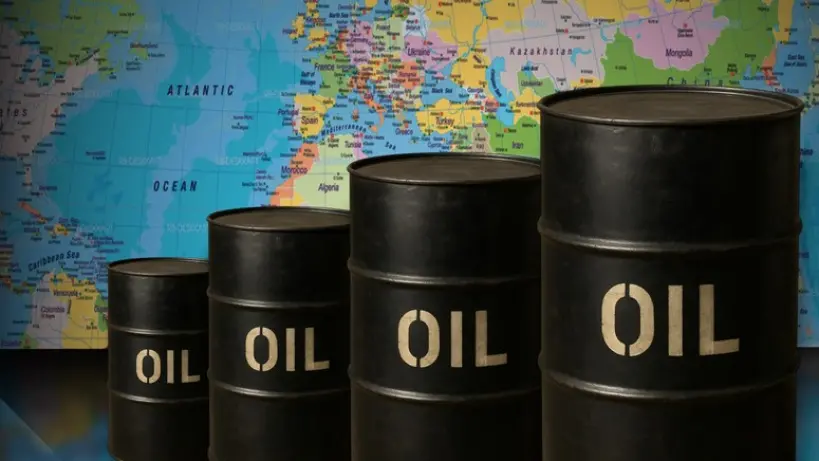
SINGAPORE – Oil prices experienced a dramatic surge on Monday, marking a significant rise of about 25%, reaching levels not seen since mid-2022. This spike in crude oil prices comes as the situation in the Middle East intensifies, affecting production and shipping routes crucial to global energy supplies.
The price of Brent crude, which serves as the international benchmark, shot up to $119.50 per barrel early in the day. However, it later settled at $107.80 as the day progressed. Similarly, West Texas Intermediate, a major American crude oil benchmark, reached $119.48 before dropping back to $103. These fluctuations reflect the heightened tensions and uncertainties gripping the market.
The ongoing conflict in Iran has had a profound impact on civilian areas, with reports emerging of Bahrain accusing Iran of targeting a desalination plant essential for its drinking water supply. Meanwhile, oil depots in Tehran have been affected by strikes, adding to the region's instability.
Impact on Oil Supply and Global Markets
The conflict, now entering its second week, has increasingly drawn in nations pivotal to the production and transportation of oil and gas from the Gulf region. The Strait of Hormuz, a critical shipping lane through which roughly 15 million barrels of crude oil are transported daily, has seen significant disruptions. The looming threat of Iranian missile and drone attacks has deterred tankers from navigating this route, which is bordered by several key oil-producing countries, including Saudi Arabia and the United Arab Emirates.
Reduced export capabilities have led Iraq, Kuwait, and the UAE to cut back on oil production as storage facilities reach capacity. This reduction exacerbates concerns about global oil supply, particularly as strategic facilities have been targeted by missile strikes from Iran, Israel, and the United States.
Economic Repercussions
The ramifications of rising oil prices are far-reaching. Higher energy costs are anticipated to drive inflation, affecting household budgets and consumer spending, especially in Asian economies heavily reliant on Middle Eastern imports. This trend mirrors the situation in 2022, when oil prices soared following Russia's invasion of Ukraine.
The agricultural sector has also felt the impact, as the cost of edible oils, often used in biofuel production, has increased in tandem with oil prices. Metals markets have been mixed, with aluminum seeing gains due to supply worries, while other metals struggle against a stronger dollar.
Gold, traditionally a safe haven, fell more than 2% as a robust dollar made the precious metal more expensive for international buyers. The strong dollar, coupled with rising energy costs, has further dimmed prospects for near-term interest rate cuts.
Market analysts, like Tony Sycamore from IG, highlight the market's volatile reaction given the lack of a clear resolution to the conflict. The situation remains precarious, as further economic damage seems inevitable unless diplomatic efforts gain traction.
Meanwhile, the Financial Times reported that some Group of Seven nations are contemplating the release of strategic oil reserves to mitigate market pressures. However, these discussions remain unconfirmed, with President Donald Trump previously downplaying the need to tap into the United States' Strategic Petroleum Reserve.
As the situation unfolds, the global community watches closely, aware of the profound implications for energy markets and economic stability worldwide.







Comments
Log in to write a comment