



Kuwait launches an ambitious plan under "New Kuwait 2035," aiming for $32 billion investments while creating over 50k jobs.
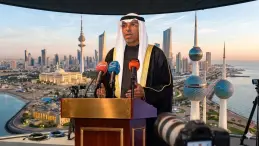
Kuwait is embarking on one of its most ambitious development initiatives to date, aiming to draw in up to KD10 billion ($32.6 billion) through private and foreign investment. The comprehensive plan seeks not only to generate annual revenues of KD1 billion ($3.26 billion) by 2030 but also aims to create over 50,000 new jobs.
The initiative is deeply rooted in the New Kuwait 2035 Vision, which envisions extensive reforms coupled with strategic partnerships. Key sectors targeted include energy, transport, infrastructure, smart cities, and industrial zones. Officials assert that this strategy will alleviate pressure on the state budget by approximately 30% while enhancing long-term economic sustainability.
Kuwait Megaprojects
Integrated governmental efforts are at the core of this transformation. The approach links economic diplomacy with global partners under new regulatory frameworks designed to boost transparency and expedite project delivery. This framework is expected to diversify national income sources significantly.
A Ministerial Committee focused on agreements with China has convened 22 meetings aimed at accelerating projects and eliminating impediments. Progress can already be seen in ventures like the Mubarak Al Kabeer Port project, for which an execution contract was finalized in March.
Kuwait has also enhanced its historic relationship with Japan into a comprehensive strategic partnership that spans trade, investment, renewable energy initiatives, and petrochemicals.
Major Power and Infrastructure Projects
Among significant ongoing projects are the second and third phases of the Al Zour North Power Plant. These phases are designed to meet increasing demands for power and water while encouraging private sector participation. Such involvement aims to reduce costs and accelerate completion times-part of a broader governmental effort to incorporate private capital into infrastructure development.
As part of Kuwait's development roadmap for 2025–26 approved in March, there are plans for a staggering 124 projects spread across ministries, affiliated entities, and independent institutions.
Reforms To Boost Investment
The government has implemented an array of reforms including:
- A revamped real estate brokerage system
- A smart licensing initiative
- Amendments to corporate laws
- A taxation framework applicable for multinational entities
- The launch of the Real Estate Developer System
The third phase of Kuwait’s Capital Market Development Program marks a pivotal step towards elevating its status as an advanced emerging market-a move intended to bolster investor confidence further







Comments
Log in to write a comment