


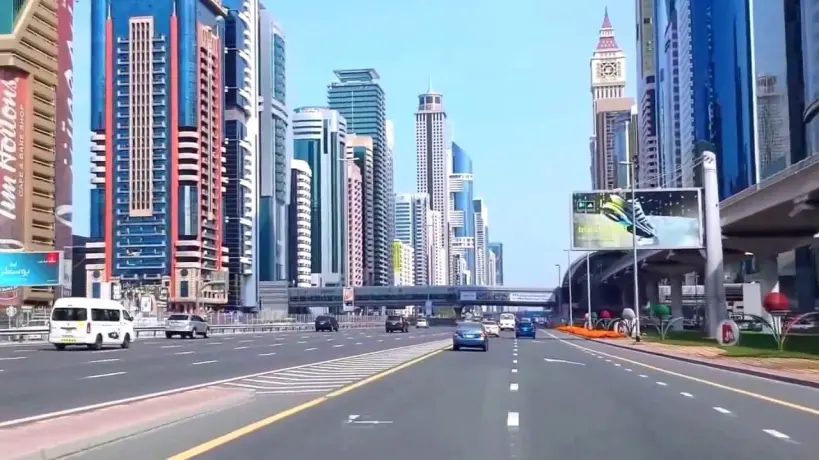
Dubai's real estate market remains robust, offering competitive yields up to 11% compared to global cities. Investors are drawn by high returns, no property tax, and stable growth across segments. Communities like International City and DAMAC Hills 2 show strong performance driven by tenant demand and strategic locations.
In the first half of 2025, Dubai's real estate sector continued to flourish, driven by consistent returns, increased investor confidence, and a focus on data-driven property investments.
Investors are focusing on areas that offer reliable returns and long-term growth across various asset classes. This is according to Bayut, a leading property portal in the UAE.
When compared to international cities such as London, New York, and Singapore-where gross rental yields generally fall between 2% and 4%-Dubai stands out as particularly attractive. Here, investors benefit from average yields of 6% to 8%, coupled with no property or capital gains taxes, alongside freehold ownership in key zones. Apartments in more affordable areas outperform significantly; communities like International City, Dubai Investment Park (DIP), and Discovery Gardens have reported gross rental yields ranging from 9% to 11%. High occupancy rates and increasing tenant demand continue to drive interest in these sectors.
The villa market also shows promising figures. Areas like DAMAC Hills 2, Dubai Industrial City, and Serena deliver gross yields above 5.85%, thanks largely to improved infrastructure and growing community amenities that draw long-term residents. Meanwhile, mid-tier communities such as Town Square, Mudon, Living Legends, and Al Furjan report rental yields between 7% and 10%, supported by strategic locations that offer good transport access.
Even the luxury segment retains its allure despite naturally lower yields due to higher purchase prices. Districts including Al Sufouh, Green Community, Dubai Creek Harbour, and Jumeirah Golf Estates achieve gross rental yields exceeding 5.9%, fueled by potential for capital appreciation and strong demand among end-users.
Bayut observes a shift in investor perspective: rather than focusing solely on ROI metrics in isolation, they now consider factors like capital growth potential alongside demographic trends and infrastructure plans. Tools like Bayut’s TruEstimate™ enable both local and overseas investors to make more informed decisions.
Haider Ali Khan of Dubizzle Group MENA notes that "Dubai isn’t just competing regionally anymore; it’s making waves globally when it comes to property investment." He emphasizes the unique blend of strong returns combined with long-term value within an exceptionally transparent market environment.
Akhbrna News captures this thriving dynamism within Dubai's real estate landscape-a mix of short-term yield prospects balanced perfectly with long-term value appeal makes Dubai one of the most resilient markets worldwide.






Comments
Log in to write a comment