


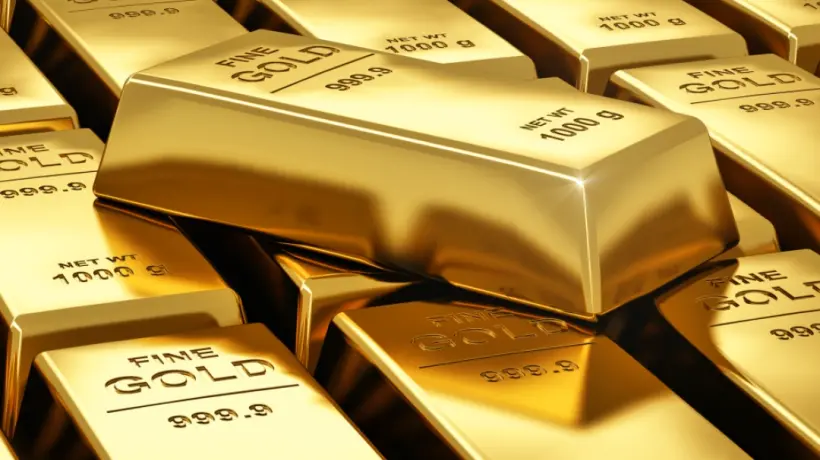
Gold prices declined notably today, heading toward a weekly loss following the release of strong US labor market data.
The robust employment report has bolstered expectations that the Federal Reserve will maintain current interest rates at its upcoming meeting in December, rather than reducing them.
This outlook significantly affects gold's appeal as a safe-haven investment, especially amid predictions of rising interest rates.
Gold Drops After Strong US Employment Data
In spot trading, gold fell by 0.2% to $2,062.79 per ounce as of 01:57 GMT. Over the course of this week, the precious metal has recorded an overall decline of 0.3%.
This drop reflects how markets are reacting to recent American economic figures.
Meanwhile, gold futures for December delivery registered a slight increase of 0.2%, reaching $2,068.10 per ounce.
Despite this minor gain in futures contracts, overall sentiment remains cautious due to shifting expectations around US interest rate policy.
Impact of Employment Report on Interest Rate Expectations
A delayed report from the US Department of Labor-due to a partial government shutdown-showed non-farm payrolls rose by 119,000 jobs in September, well above forecasts that had anticipated just a 50,000 job increase.
This strong labor market performance lessens pressure on the Federal Reserve to lower interest rates. Currently, market forecasts suggest only about a 39% probability that rates will be cut in December-a substantial decrease from previous estimates which stood at around 60%.
The Relationship Between Interest Rates and Gold Investment
Traditionally, gold-which does not generate direct yield-tends to perform better when interest rates are low because it becomes more attractive relative to other assets offering limited returns.
However, when interest rates rise or there is anticipation they will do so, investors often shift away from gold towards higher-yielding assets like bonds or stocks.
This reallocation reduces demand for gold and can exert downward pressure on its price. Investing in gold remains an essential part of portfolio diversification strategies.
US Dollar Strength Weighs on Gold Prices
Apart from employment data, the strength of the US dollar also contributed additional pressure on gold prices. On Friday, the dollar was set for its best weekly performance in more than a month.
A stronger dollar makes gold-which is priced in dollars-more expensive for buyers using other currencies worldwide. This tends to reduce international demand for gold and may lead to further declines in price.
Close monitoring of currency exchange fluctuations is therefore vital when analyzing movements in thegold market.
Performance Among Other Precious Metals
The impact was not limited solely to gold; other precious metals were also affected by these developments. Silver dropped by 0.4% in spot transactions to $23.39 per ounce.
Conversely, platinum rose by 0.4%, reaching $917.95 per ounce while palladium increased by 0.3% to $1,181.22 per ounce.
These divergent trends highlight unique supply-demand factors and industry developments influencing each metal individually.
Investing in precious metals, therefore requires careful consideration tailored specifically for each asset class.
In summary, recent events suggest that gold prices may continue facing short-term pressure if strong US economic indicators persist-particularly those related to employment growth-but many still view gold as a long-term safe haven asset capable of recovering should economic or geopolitical conditions shift markedly.
Investors are advised to monitor ongoing developments closely and assess risks thoroughly before making investment decisions regarding precious metals.








Comments
Log in to write a comment