

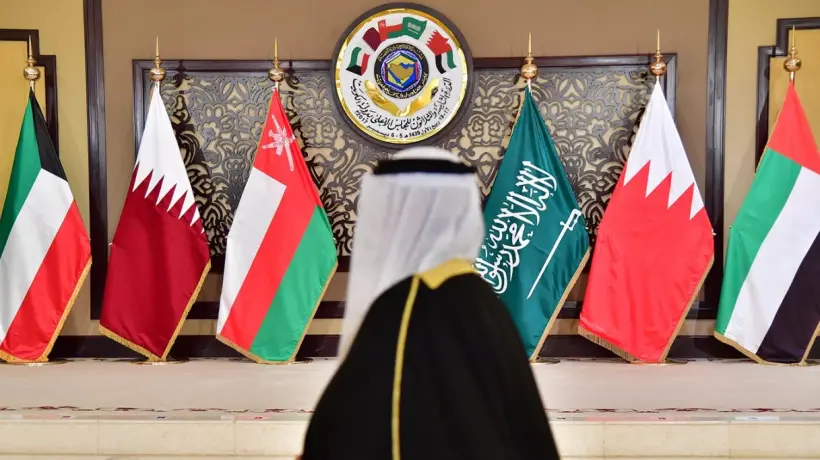
Government revenues in the Gulf Cooperation Council (GCC) member states reached $487.8 billion in 2025, while expenditures totaled $542.1 billion, resulting in an estimated deficit of $54.3 billion, as reported by the Statistical Centre for the Cooperation Council for the Arab States of the Gulf.
The data released by the Centre highlights that GCC government revenues are closely tied to global oil prices, with oil revenues forming a significant portion of their financial resources. Consequently, GCC countries adopt a conservative approach in calculating the break-even oil price for their general budgets to shield against international economic fluctuations and variations in global oil prices.
GCC Public Spending
Public revenues in GCC nations are projected to remain stable due to persistent moderate to high oil prices. Moreover, most GCC countries anticipate an increase in their 2025 spending compared to figures from 2024.
This anticipated increase aligns with growth objectives for Gulf Cooperation Council economies and is primarily aimed at completing infrastructure projects and stimulating growth in various economic sectors to pursue strategic development plans.
In addressing budget deficits, Gulf states plan to utilize reserves and seek domestic and international borrowing options.





Comments
Log in to write a comment