


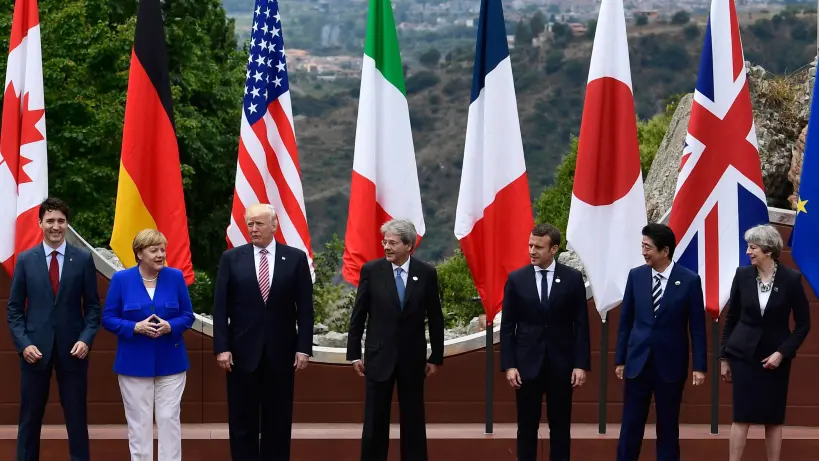
PARIS — As tensions escalate in the Middle East, finance ministers from leading industrialized nations are gearing up for an emergency meeting this Monday. The agenda? A critical discussion on the potential release of emergency oil reserves, triggered by surging oil prices that have exceeded $100 a barrel. This spike is largely due to the ongoing US-Israeli conflict with Iran, which has significantly impacted global oil markets.
The Financial Times, which first reported on these urgent talks, highlighted that the International Energy Agency (IEA) will participate in the discussions. According to sources, three G7 countries, including the United States, have shown support for the proposal to release oil reserves.
Monday saw global oil prices soar by over 25%, reaching nearly $120 per barrel. This marks the highest level since mid-2022 and is attributed to reduced supplies from major producers and fears of prolonged disruptions in shipping routes. The US-Israeli conflict with Iran has intensified these concerns, leading to market instability.
Possible Actions and Historical Precedents
The G7's meeting will deliberate a collective release of petroleum reserves, coordinated by the IEA. Should this plan proceed, it will be the first such intervention since 2022. At that time, strategic reserves were tapped following Russia's invasion of Ukraine.
Energy supply disruptions from the region could exacerbate price pressures for both consumers and businesses globally. Rising inflation poses a risk of fewer interest rate cuts by central banks, complicating economic recovery efforts.
Approximately 20% of the world's oil passes through the Strait of Hormuz. However, since the conflict's outbreak over a week ago, traffic through this critical passage has nearly come to a standstill.
Escalating Tensions in the Region
Over the weekend, the US and Israel intensified airstrikes across Iran, targeting various sites, including oil storage facilities. Iran, retaliating, struck energy infrastructures in neighboring Gulf states. Notably, Saudi Arabia reported intercepting two waves of drones aimed at a major oilfield.
Adnan Mazarei, a senior fellow at the Peterson Institute for International Economics, noted that the spike in oil prices was anticipated due to halted production in several Gulf countries. The prospect of a prolonged conflict further complicates the situation.
"It's becoming clear that this conflict won't resolve quickly," Mazarei commented, emphasizing the unrealistic nature of current assurances and plans set forth by the United States.
US Domestic Response
US President Donald Trump has consistently downplayed worries about rising oil prices. On Sunday, he took to his Truth Social platform, asserting, "Short term oil prices, which will drop rapidly when the destruction of the Iran nuclear threat is over, is a very small price to pay for U.S.A., and World, Safety and Peace. ONLY FOOLS WOULD THINK DIFFERENTLY!"
Energy Secretary Chris Wright clarified that the US is not targeting Iran's energy infrastructure, attributing the actions to Israel. This statement comes amid growing concerns over rising domestic gasoline prices linked to the conflict.
Data from the American Automobile Association (AAA) indicated that the average price for regular gasoline in the US increased by 11% last week, reaching $3.32 per gallon. — Agencies




Comments
Log in to write a comment