

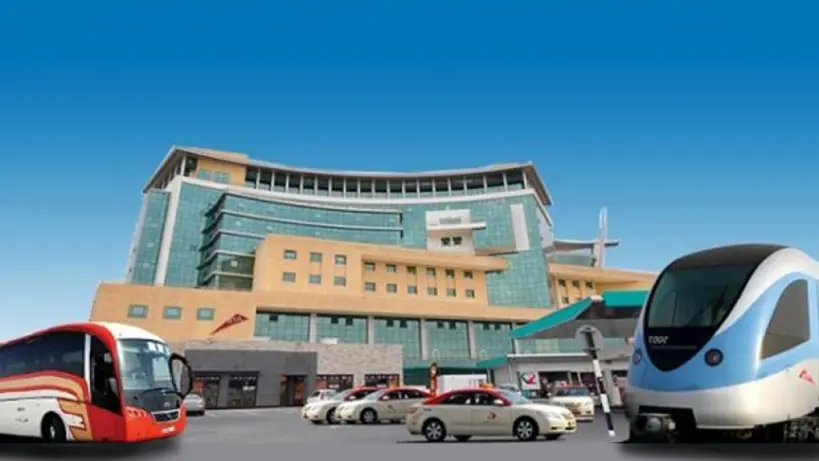
The Dubai Roads and Transport Authority (RTA) has completed significant upgrades to several major bus stations, aimed at enhancing the public transport network and improving service quality across the city. The project forms a part of RTA's broader efforts to encourage the use of mass transit and seamlessly integrate various transport modes, including the Dubai Metro and taxi services.
In a significant stride towards enhancing public transportation, the Dubai Roads and Transport Authority (RTA) has finalized substantial upgrades to numerous key bus stations across the city. This endeavor is part of a comprehensive plan aimed at expanding the public transport network, improving service quality, and providing superior mobility services for both residents and tourists in Dubai.
Mattar Al Tayer, Director General and Chairman of the Board of Executive Directors of the RTA, emphasized the importance of the project. "The initiative complements RTA’s efforts to bolster public transport infrastructure," he stated. "We aim to encourage residents to favor mass transit for daily commuting. Notably, the bus depots serve as crucial hubs for the maintenance and upkeep of our extensive fleet, which comprises 1,387 buses."
Al Tayer highlighted the multifunctional role of bus stations, asserting that their purpose extends beyond serving as waiting areas. "We were determined to transform bus stations into centers offering integrated services that enhance the commuting experience," he added. These improvements are designed to create safer and more comfortable environments for all users, particularly catering to People of Determination and cyclists, while ensuring seamless integration with the Dubai Metro and taxi services.
The upgrade project included renovating 16 passenger bus stations, with nine located in Deira and seven in Bur Dubai. Enhancements encompassed refurbishing waiting areas, revamping building façades, modernizing infrastructure systems, and adding prayer facilities. Collectively, these stations cater to 110 bus routes, accommodating approximately 710 buses during peak hours.
Moreover, six bus depots underwent substantial improvements in areas such as Al Khawaneej, Al Qusais, Al Ruwayah, Al Awir, Jebel Ali, and Al Quoz. "Efforts included revamping workshops, preparing dedicated lanes for inspections and maintenance, implementing advanced engine washing systems, upgrading driver accommodations, and improving both lighting and drainage networks," Al Tayer explained. These upgrades bolster the operational efficiency of the bus network.
The enhancements are also integral to RTA’s vision of improving the connectivity between diverse public transport modes using first and last-mile solutions. This vision has been supported by new infrastructure promoting pedestrian pathways, bicycle parking, and secure crossings, encouraging further use of public transport options.
These developments align with several RTA projects such as advancing stations at Al Ghubaiba, Union, Al Jafiliya, Oud Metha, Al Satwa, Etisalat, Al Baraha, International City, and Dubai International Airport (Terminal 3). Further, this project complements RTA’s continuing investment in a modern fleet of public buses, meeting exemplary standards of safety, comfort, and quality.
Significantly, the RTA has entered into a contract to acquire 637 new buses compliant with the "Euro 6" emission standards, a first in the Middle East and North Africa region. This procurement features 40 electric zero-emission buses, specifically designed for Gulf conditions, as well as numerous city, double-decker, and articulated buses from various manufacturers to enhance urban transit coverage.
The fleet expansion, alongside the station upgrades, marks a notable achievement in Dubai's journey towards a more sustainable and efficient public transportation system, reflecting the city’s commitment to innovation and environmental sustainability.



Comments
Log in to write a comment